
Resetting an heirloom diamond: preserve the story and assess the stone
Before designing a new ring around an heirloom diamond, have the existing piece assessed and decide what you want to preserve. The stone, setting and family meaning are related, but they are not the same decision.
Photograph the original piece and write down any history you know. Distinguish documented information from family recollection. Discuss the plan with anyone whose ownership or expectations need to be considered before authorizing changes.
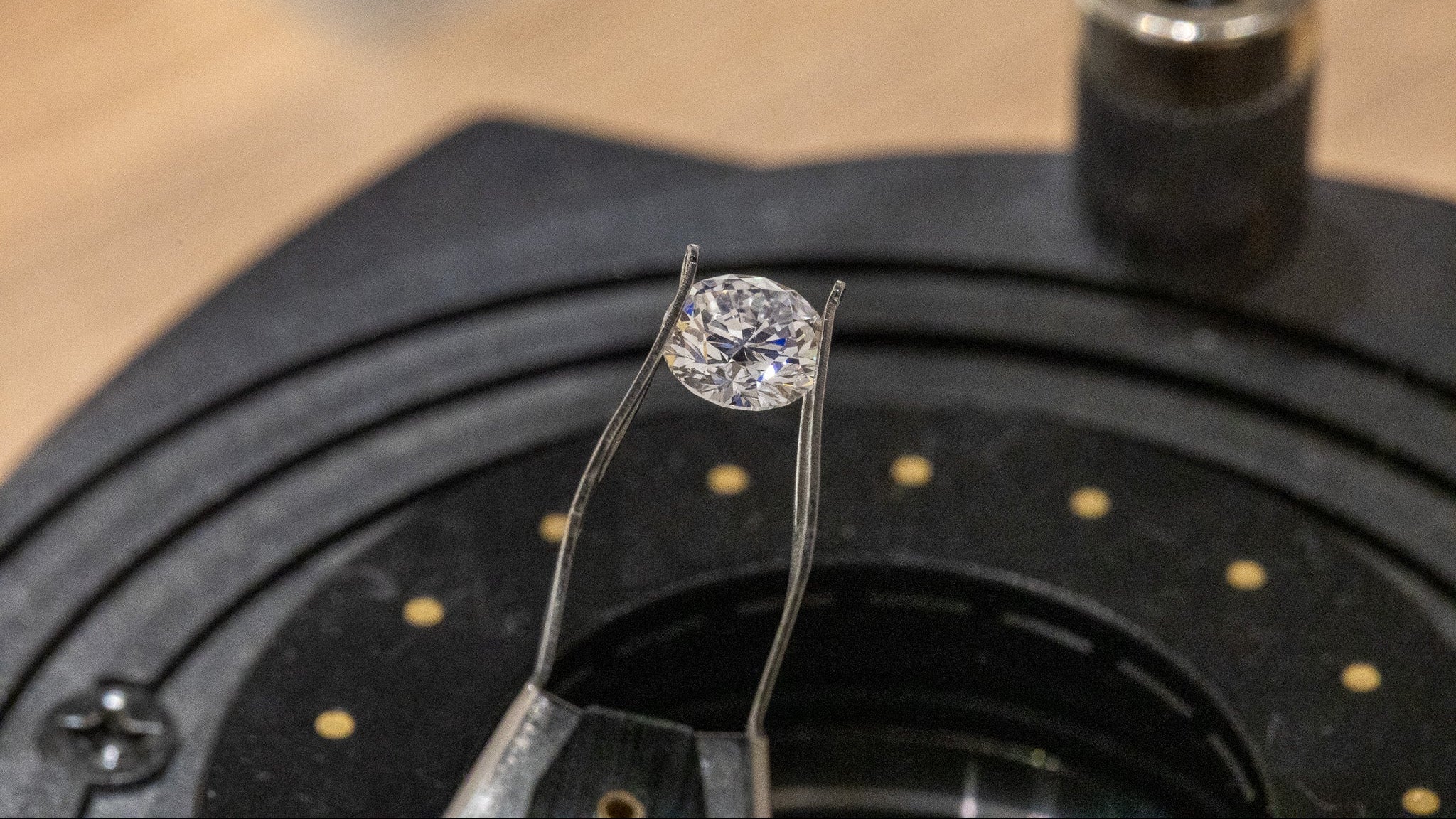
Ask a jeweller to assess the stone and setting, explain any risks in removal and identify what could be reused. Do not assume that an old stone will suit every new design or that the original setting can be preserved unchanged.
Then define the design brief. You might want the same centre stone in a simpler ring, a different type of jewellery or a piece that retains one recognizable detail. Ask for a clear scope and quote before committing.
Confirm what will happen to any remaining metal or stones and record that agreement. The finished project should respect both the practical assessment and the meaning you attach to the original.
Inherited jewellery: document it before changing it
Before repairing, redesigning or separating inherited jewellery, make a simple record of what you have. Documentation gives you a clearer starting point for both family conversations and a jeweller's assessment.
Photograph each piece from several angles and include any marks or engravings you can see without altering it. Keep original boxes, receipts or reports with the corresponding item where possible. Do not clean aggressively or test materials yourself to fill gaps in the record.
Write the known history in two parts: what documents establish and what family members remember. Both can be meaningful, but they should not be presented as the same kind of evidence.
Clarify ownership and any shared expectations before commissioning changes. Sentimental agreement is especially important when several people associate a piece with the same person or event.
For the jeweller's visit, state your immediate goal: identification, condition assessment, repair or exploring a redesign. You do not have to make all those decisions at once.
A careful record does not determine the jewellery's value or suitability for work. It preserves context while you obtain the specific professional advice needed for the next step.
Repair or redesign an older ring: two different decisions
Repair asks how an existing ring can be made suitable for its intended use. Redesign asks whether a different piece would serve you better. Establish the ring's condition before deciding which direction to take.
Explain what concerns you: a loose element, uncomfortable fit, damage or a style you no longer wear. Ask the jeweller to separate necessary work from optional changes. A written assessment can make the choices easier to compare.
If you still love the ring's design, request a repair scope and quote. Ask what the proposed work can reasonably achieve and whether any limitations remain afterwards.
If the ring has sentimental value but no longer suits you, discuss what could be preserved in a redesign. Keep that proposal distinct from the repair quote so you can compare two clear outcomes rather than a growing list of alterations.
Take time to consider any irreversible change, especially if the original design matters to other family members. Photograph the piece and confirm what will happen to unused components.
You may decide to repair it, redesign it or preserve it without wearing it. A professional assessment helps you make that decision with fewer assumptions.
Turning an unworn ring into a pendant: what to discuss
Changing an unworn ring into a pendant begins with an assessment, not a promise that every component can be reused. Bring the original piece and explain why a necklace would fit your life better.
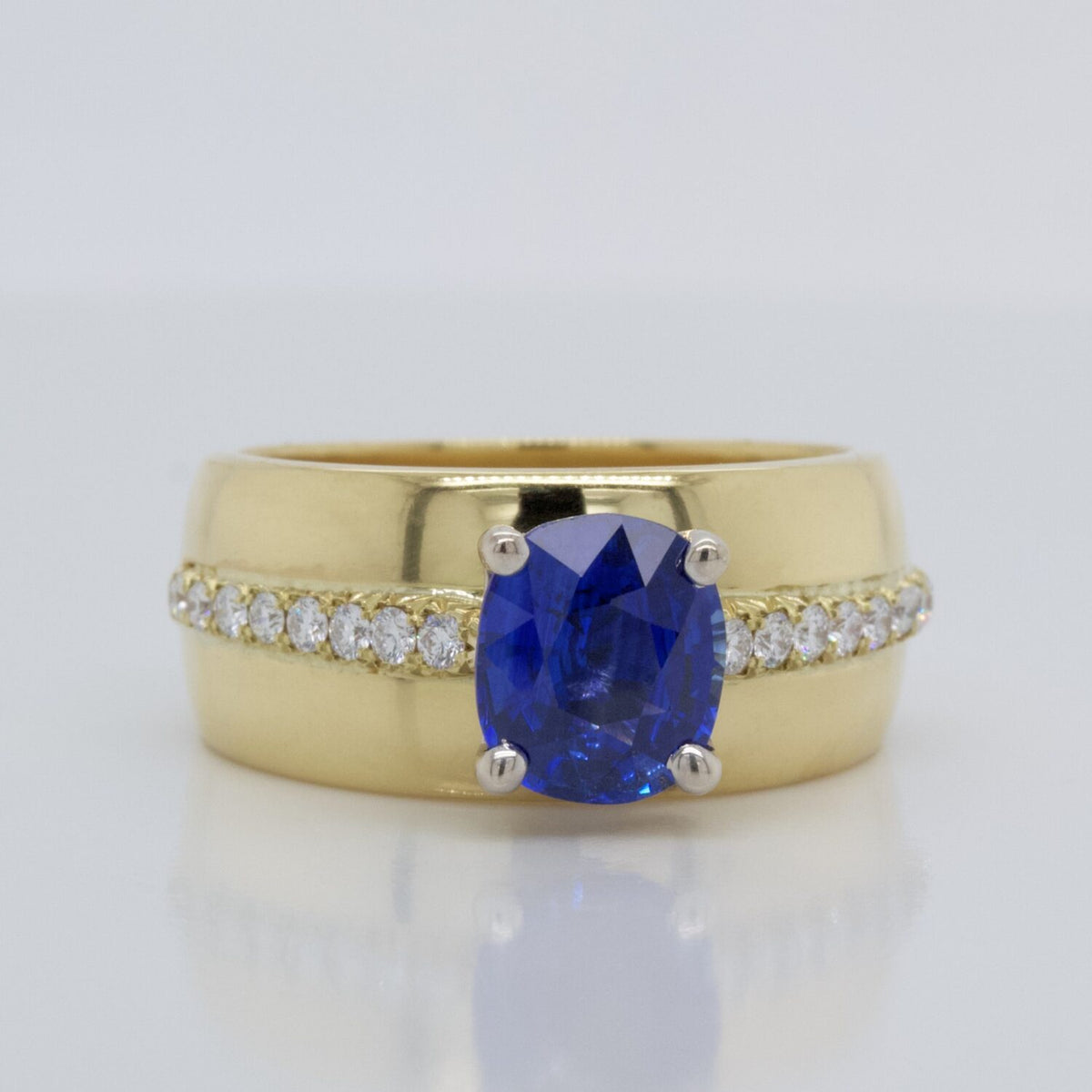
Identify the part you want to preserve. It may be the centre stone, a group of smaller stones or a recognizable design detail. Ask which elements are suitable for the proposed work and what risks or limitations apply.
For the new pendant, discuss scale, orientation and how it will connect to a chain. Consider whether you already own a chain you hope to use; bring it so compatibility can be assessed rather than guessed from a description.
Request a quote that distinguishes reused components, new materials and the work involved. Ask what approval is needed before the original piece is altered and what happens to unused components afterwards.
Take photographs of the ring before leaving it for assessment or work, and keep the intake record. A thoughtful redesign gives the piece a new role while making the irreversible decisions explicit before they happen.
Explore Appelt's custom design information to start the conversation.
Related collections: Engagement rings, Necklaces.
At Appelt's
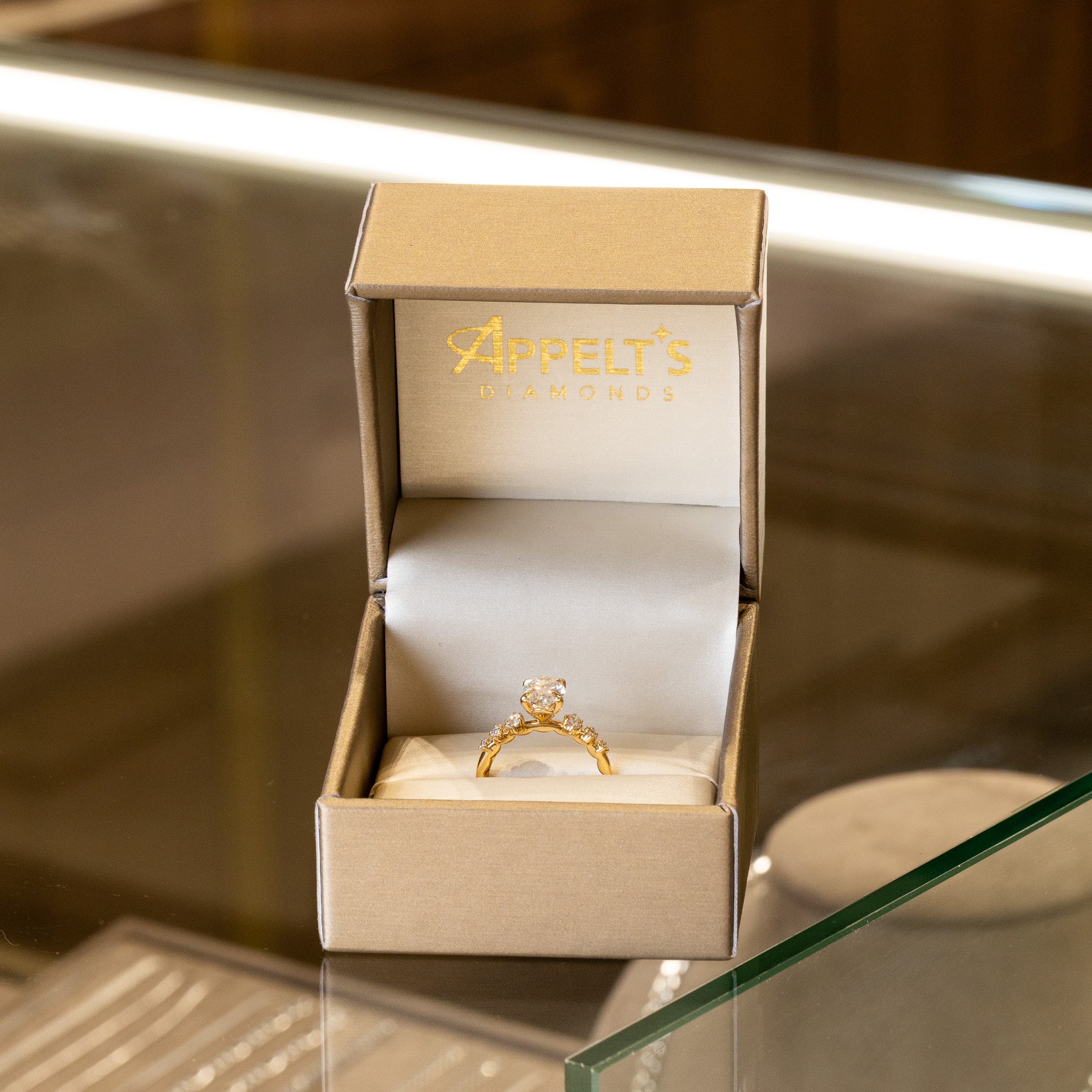
Resetting an heirloom is hands-on work, and at Appelt's a goldsmith is on site at every store to assess the stone and the old setting with you. Custom designers in house can sketch a new setting around the stone, and appraisals are available if you want the piece documented when it is finished.
Appelt's Diamonds has been family owned in Manitoba since 1938, with four stores: three in Winnipeg and one in Morden. Each store has a goldsmith on site. Appelt's holds the CJA Multi-Store Retailer of the Year award, and eligible purchases are covered by the Rock Solid Diamond Warranty. You can see all four locations or start with engagement rings in Winnipeg.